
Digital
Transformation

Digital transformation leverages technology to streamline processes, enhance customer experiences, and drive innovation.

Cloud Enablement & Transformation

Work with best platforms available on the board & ensure sustainably. Array of Options when we use widespread technologies. Migrate or Build your own Cloud Privately or Virtually

Optimization

Optimizing Existing Solutions & Onboarding new sets as per requirements.

DC Migration

DC Migrations as Huge & Complexes processes at which we are best to suit.

Upgrades

As Change is Constant, Upgrades are as well, continual Upgrading at Latest Technologies.

Data Center Consolidation

Downsizing or consolidating many servers, storage systems, networking systems as per requirements.

Transformation of services

Adding & Customizing Services to Our Pallets as per our clientele.

Infrastructure Modernization

Infrastructure Modernization is a constant process we are into.

Virtualization

Native

Build apps for a particular operating system. Cross-platform development.

Hyperconverged

Combine all the elements of a traditional data center: storage, compute, networking, and management.

Open Stack

Common services for cloud infrastructure. Proven production at scale.

VDI

Remote work solution from the data center to the edge that can provide cloud-like simplicity.

IT Infrastructure Transformation

Elevate your business operations with comprehensive IT infrastructure transformation. Our services are designed to modernize and optimize your infrastructure, enabling better agility, scalability, and resilience. By adopting cloud solutions, automation, and advanced security protocols, we ensure seamless integration and robust performance across all systems. Empower your organization with a future-ready infrastructure that drives efficiency, reduces costs, and supports innovation in a dynamic digital landscape.

Building Data Centers for AI

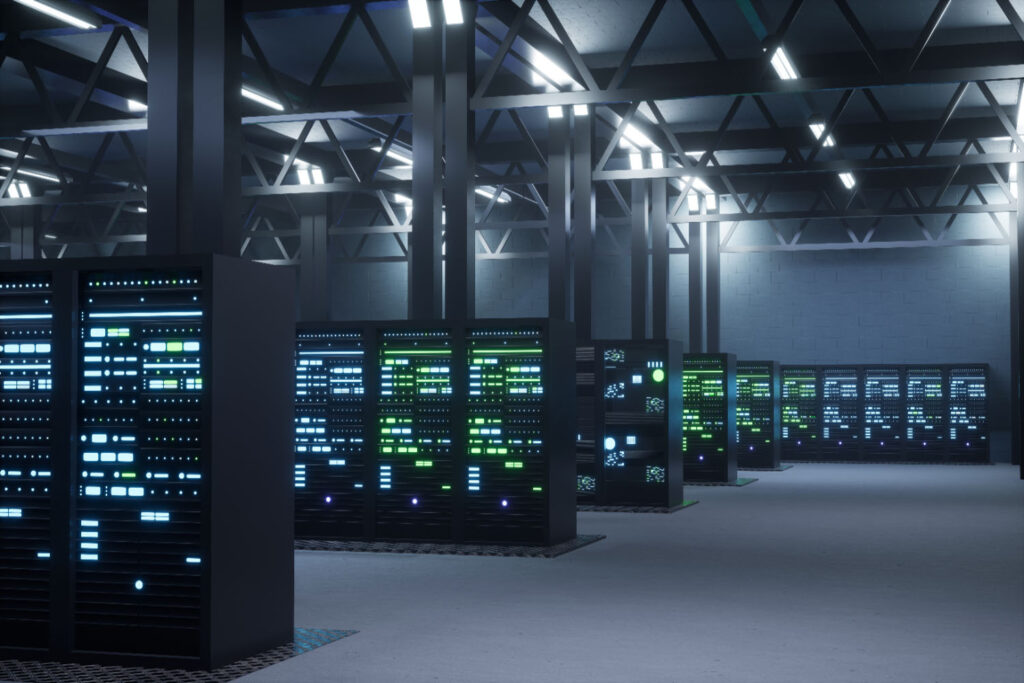
The surge in AI and GPU-intensive applications has revolutionized the approach to data center design, necessitating infrastructure optimized for high-performance computing (HPC). Traditional data centers are being reimagined with advanced cooling solutions, high-speed networking, and cutting-edge power management to support the computational demands of AI models and GPU workloads. These specialized data centers integrate densely packed GPU clusters designed for parallel processing, enabling rapid training and inference of machine learning models. Furthermore, they often leverage scalable architectures and software-defined infrastructure to provide flexibility and efficiency, ensuring they can adapt to the evolving demands of AI development.

GPU Workloads

GPU workloads refer to computational tasks optimized for Graphics Processing Units (GPUs), which excel at parallel processing. Unlike traditional CPUs, GPUs can handle thousands of simultaneous threads, making them ideal for data-intensive and parallelizable applications. These workloads are prevalent in areas like artificial intelligence (AI), machine learning (ML), deep learning (DL), computer vision, and real-time simulations. For instance, training a deep neural network involves numerous matrix calculations that GPUs process efficiently, significantly reducing time-to-result compared to CPU-based processing.

Building and Migrating Data Centers with Disaster Recovery Integration

Building a modern data center involves meticulous planning, robust infrastructure, and seamless integration of advanced technologies to ensure scalability, performance, and resilience. The process includes designing high-capacity servers, optimizing energy efficiency, implementing advanced cooling systems, and deploying high-speed networking solutions. Emphasis is placed on security, both physical and digital, to safeguard sensitive data. Migration to a new data center or upgrading existing ones requires careful data transfer planning, minimal downtime strategies, and comprehensive testing to ensure operational continuity. Disaster recovery (DR) is a critical component, with businesses leveraging redundancy, failover mechanisms, and real-time backups to maintain uptime during unforeseen events.

Benefits

Effective disaster recovery planning begins with identifying potential risks, defining recovery objectives, and implementing robust systems that can quickly restore operations. Many organizations now adopt hybrid solutions combining on-premise data centers with cloud-based DR solutions to achieve optimal flexibility and cost efficiency. During migration, it’s essential to integrate DR capabilities into the architecture to ensure business continuity from day one. Automation, AI-driven monitoring, and periodic testing of DR protocols further enhance the resilience of the data center, enabling organizations to recover swiftly from hardware failures, cyberattacks, or natural disasters.

Data Center upgrade, maintenance & support

A data center upgrade, maintenance, and support initiative is crucial for ensuring optimal performance, reliability, and scalability of IT infrastructure. Upgrading a data center involves integrating the latest technologies, enhancing storage capacity, improving energy efficiency, and boosting network speed to meet the evolving demands of modern businesses. Regular maintenance ensures the smooth functioning of hardware, software, and cooling systems, minimizing downtime and mitigating risks. Comprehensive support services, including monitoring, troubleshooting, and disaster recovery planning, further enhance the data center’s resilience. Together, these efforts create a robust and future-ready environment to support seamless business operations.

Business Continuity & Disaster Recovery

Business Continuity and Disaster Recovery (BCDR) are essential strategies for safeguarding an organization’s operations against unexpected disruptions. Business Continuity ensures that critical processes remain operational during and after an adverse event, minimizing downtime and financial losses. Disaster Recovery focuses on restoring IT systems, data, and infrastructure to full functionality following an incident such as cyberattacks, natural disasters, or equipment failures. Together, BCDR plans involve comprehensive risk assessments, backup solutions, and detailed recovery protocols. By integrating these strategies, organizations can enhance resilience, maintain customer trust, and ensure long-term stability in the face of unforeseen challenges.

Disaster Recovery Orchestration

Disaster Recovery Orchestration (DRO) is a comprehensive approach to automating, managing, and streamlining the execution of disaster recovery plans. It ensures the seamless coordination of resources, processes, and technologies to minimize downtime and data loss during disruptions. DRO leverages advanced tools and scripts to automate tasks such as failover, data replication, and system recovery, reducing the potential for human error. By integrating testing and monitoring, it provides real-time insights into recovery readiness and ensures compliance with recovery time objectives (RTOs) and recovery point objectives (RPOs). With DRO, organizations can achieve faster, more reliable recovery while maintaining business continuity.

IT Process Automation

IT Process Automation (ITPA) involves using technology to streamline and automate repetitive, time-consuming tasks within IT operations. By leveraging tools, scripts, and workflows, ITPA reduces human intervention, enhances efficiency, and minimizes the risk of errors. Common applications include incident management, software deployment, system monitoring, and data backup. Automation enables IT teams to focus on strategic initiatives by reducing the burden of routine tasks, improving response times, and ensuring consistency. Additionally, ITPA supports scalability, improves service delivery, and aligns IT operations with business goals, making it an essential component of modern IT management.

Business Process Automation

Business Process Automation (BPA) involves the use of technology to automate complex business processes and workflows, reducing the need for manual effort and enhancing operational efficiency. By streamlining repetitive tasks, such as data entry, approvals, and document management, BPA allows organizations to focus on more strategic activities. It integrates various systems and applications to ensure seamless information flow across departments, improving accuracy and reducing operational bottlenecks. BPA not only increases productivity but also ensures consistency, compliance, and better decision-making by providing real-time data insights. As a result, businesses can enhance customer satisfaction, reduce costs, and gain a competitive edge.